Establish the approved basis
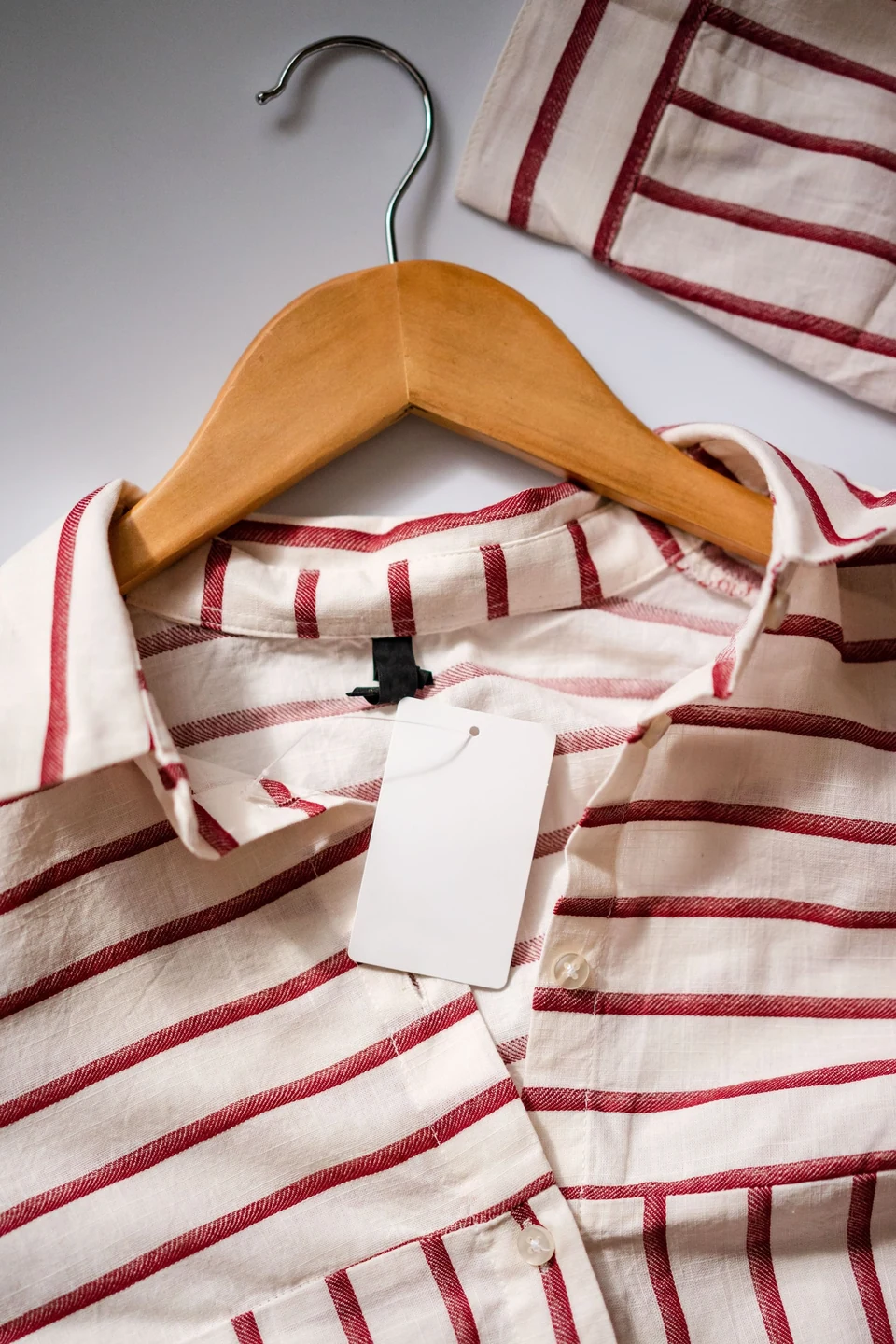
Keep the approved sample, fabric information and measurement sheet together. Identify the style code, size range and document version, and record any changes approved after sampling. The production and inspection requirements need to describe the same garment.
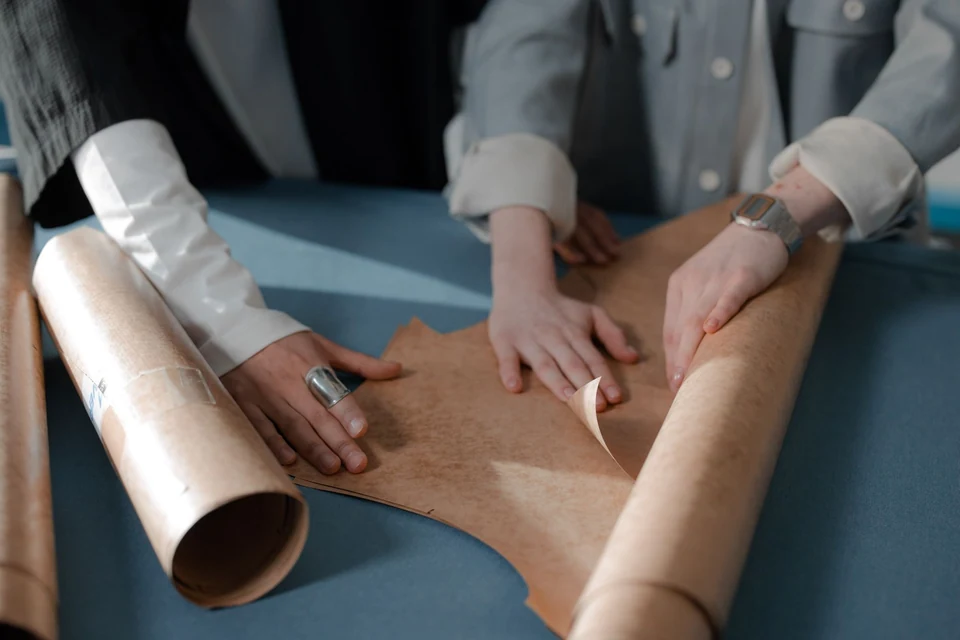
Define the measurement points, method and tolerances required for the style. Explain how fastenings, elasticated areas and other construction details should be positioned when measured. Consistent instructions make a result easier to interpret and reduce disagreement about how the measurement was obtained.
Describe the material and workmanship criteria
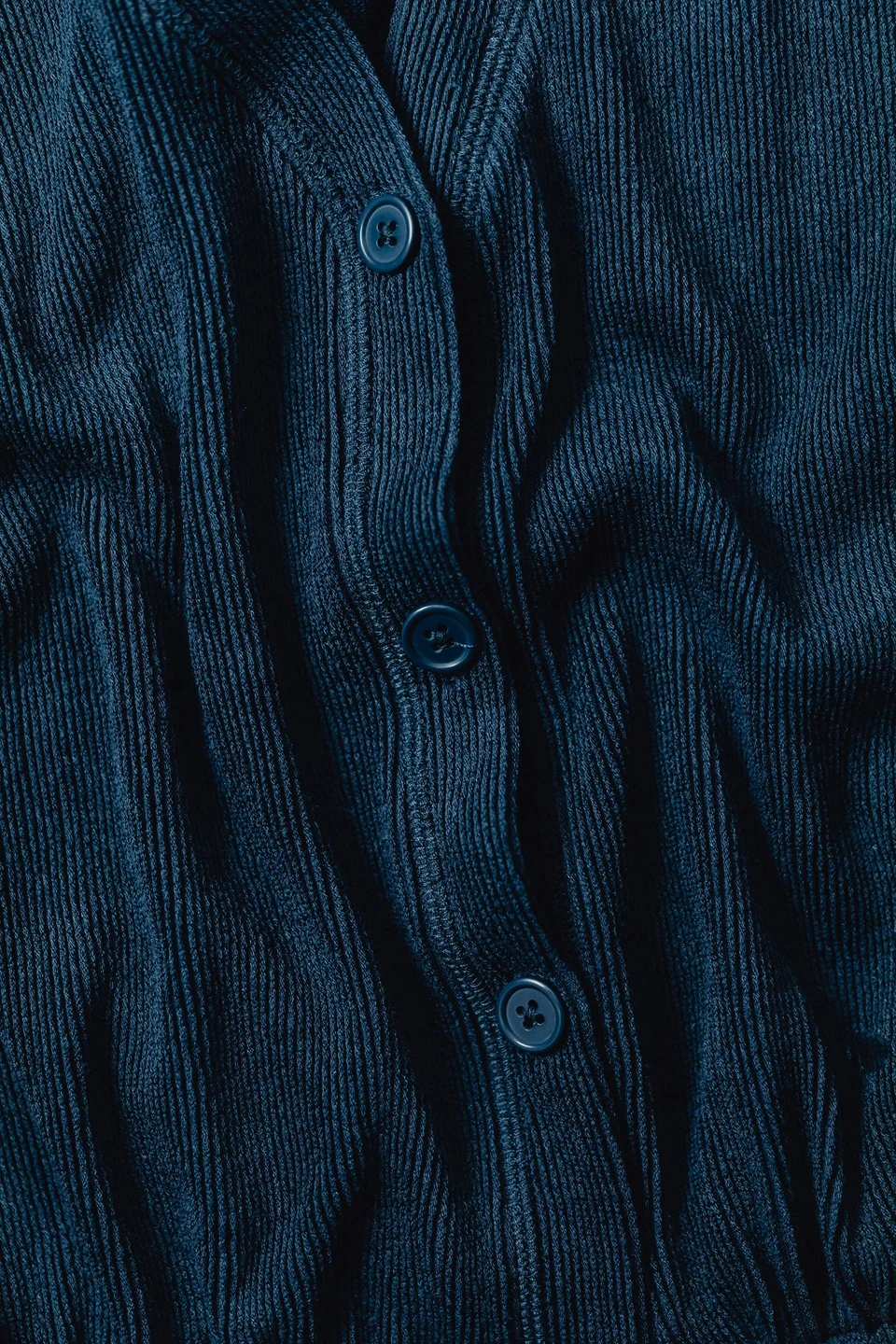
Include the approved material, colour and trim requirements. Identify the aspects of construction that matter to the garment, such as seam placement, stitching, hems, closures, lining, pressing and visible finish. Describe the required result rather than relying only on a general quality statement.
Connect appearance and fit requirements with the intended garment use. Where a concern needs a closer view, include a marked photograph or construction note. State any testing requirement separately and confirm how its results relate to the material or finished product being approved.
Include identification and packing checks
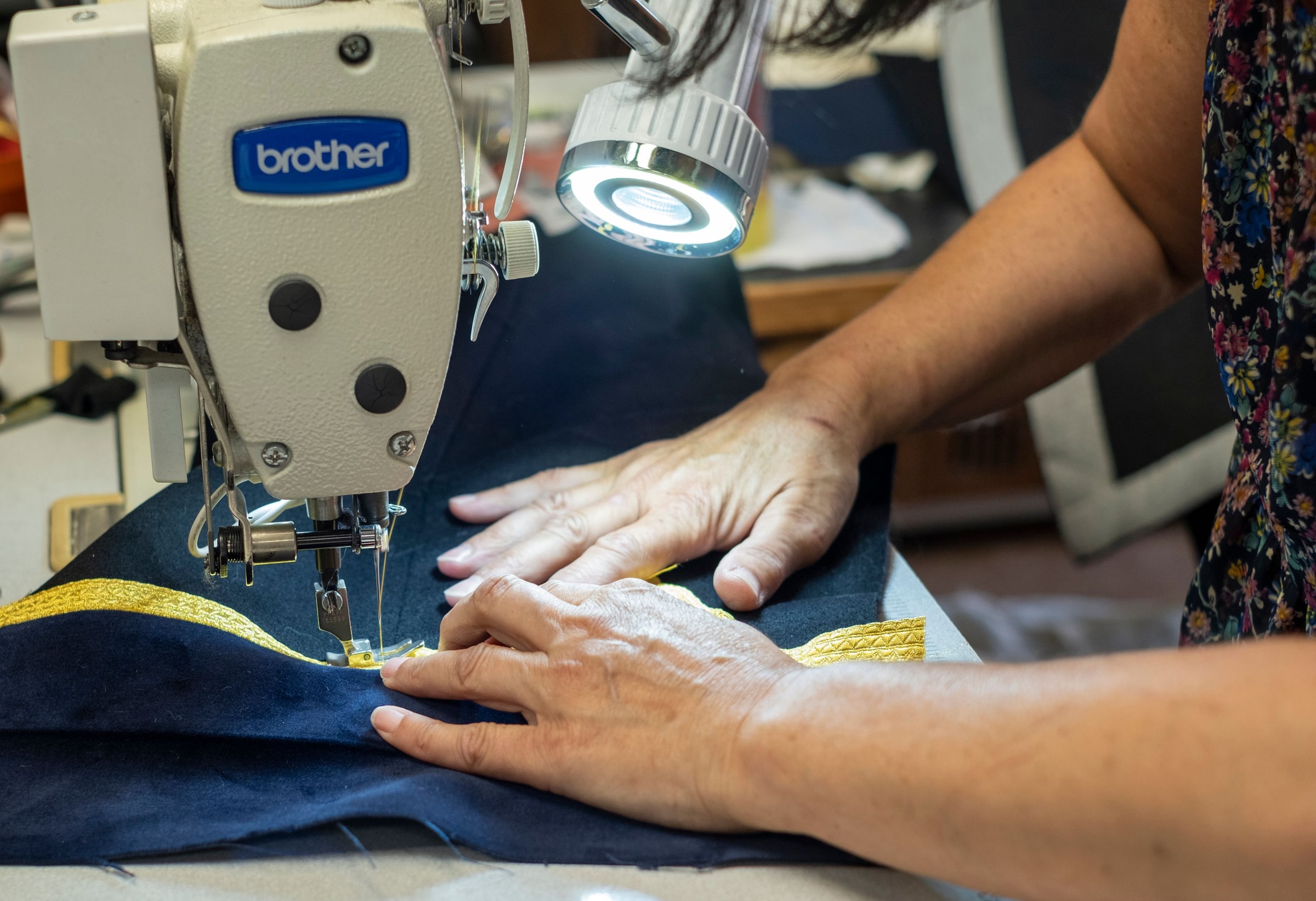
Quality requirements extend to label content, placement, size identification and the packing instructions agreed for the order. Check that the correct product information is connected to each style, colour and size. Identify how quantities and packed items will be matched to the order records.
Agree the inspection stages and method, including any required sampling plan or reporting format. Clarify who makes the decision when a finding needs review. These arrangements should be settled with the production brief instead of being introduced after the garments have been packed.
Record findings and close the decision
A useful finding identifies the style, affected area and requirement being checked. Keep the measurement, photograph or description needed to explain the issue. Group related findings so their effect on fit, appearance and construction can be reviewed together.
Record the action required and the approval needed to close the issue. If a specification changes, update the current document and identify the affected garments. Keep the final decision with the production record so later checks follow the same agreed criteria and completed actions remain visible.
Include your measurement, workmanship and inspection requirements in the brief when discussing production with YA QIAN.