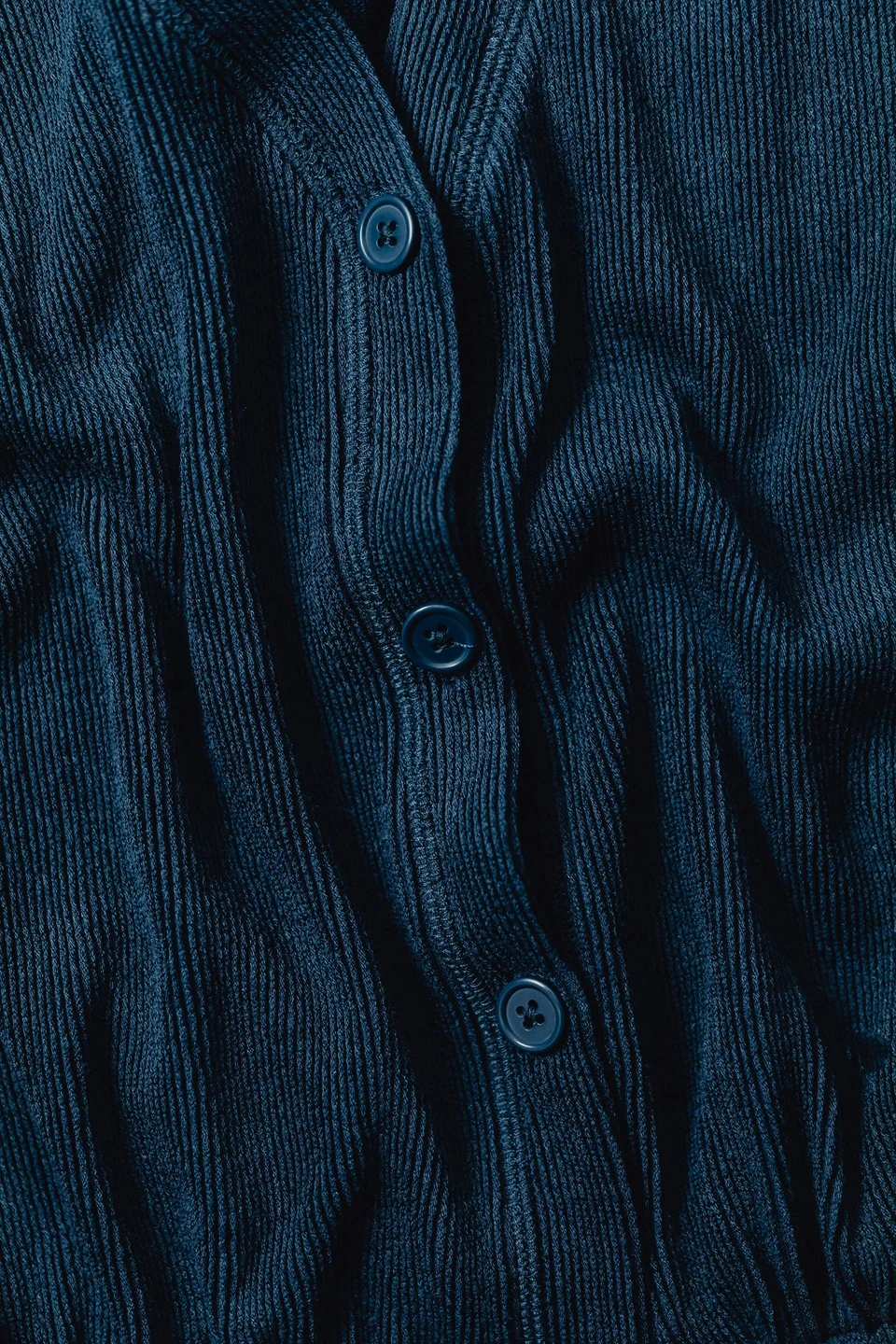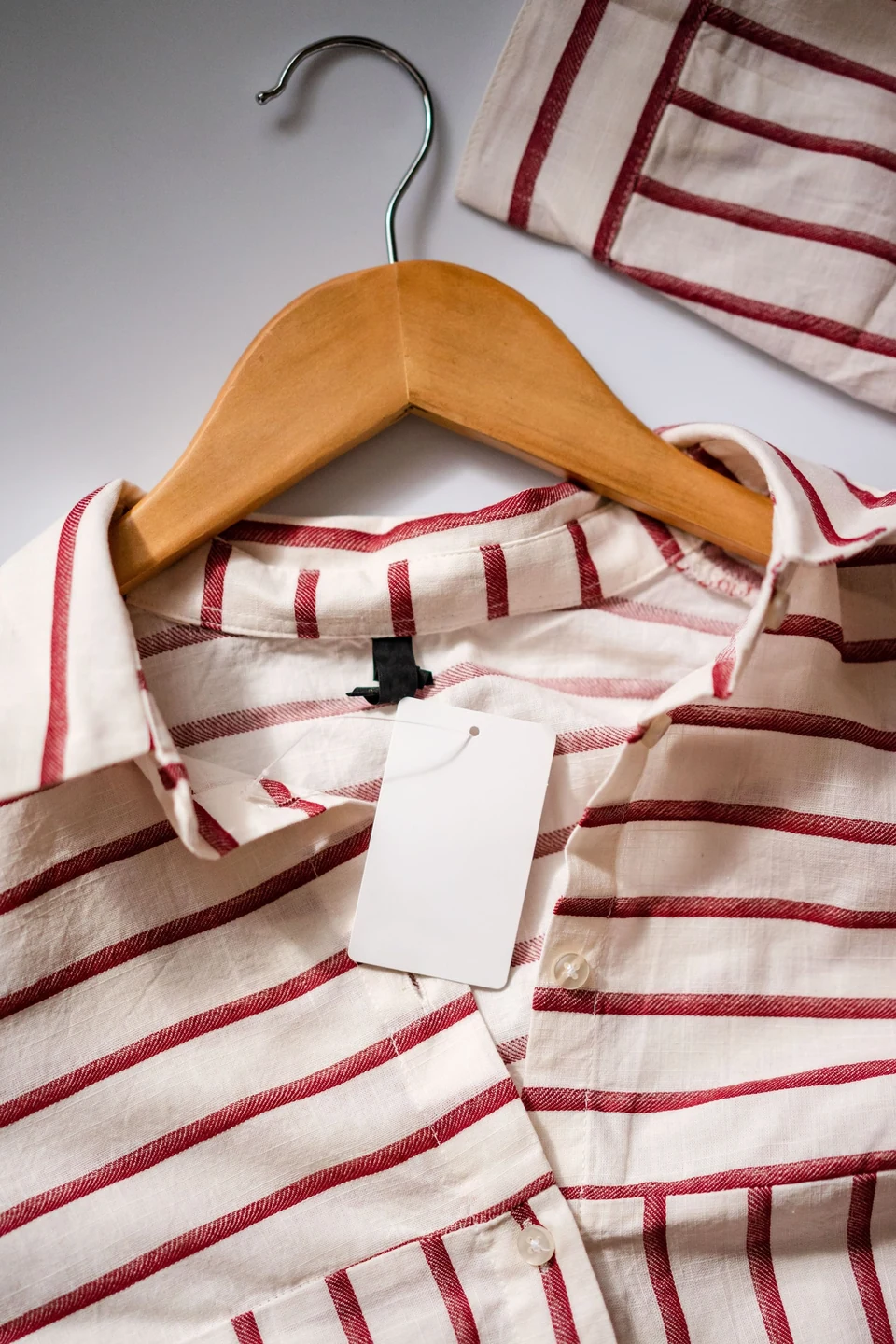

Establish the development scope
Start with the garment categories, number of styles, intended wearer and required fit. Include drawings, garment photographs and a technical pack where available. Identify the fabric, closures, lining and finishing details that are already decided, then list the areas that need development.
Explain what the first sample needs to establish. You may be reviewing the silhouette and proportions, the behaviour of a proposed material, or construction details that affect the finished appearance. Agreeing that purpose helps the sample review stay focused and avoids treating every early decision as a production approval.
Review the garment against a written specification
Keep the style code, sample version, size and measurement sheet together. Use consistent measurement points and units, and distinguish garment measurements from body measurements. Record the fit basis so the next sample can be assessed in the same way.
Review overall balance and movement before examining individual details. Check neckline and armhole shapes, seam placement, closures, hems and internal finishing. If the sample uses a different material from the intended production fabric, record that difference and identify which decisions will need to be reviewed again.
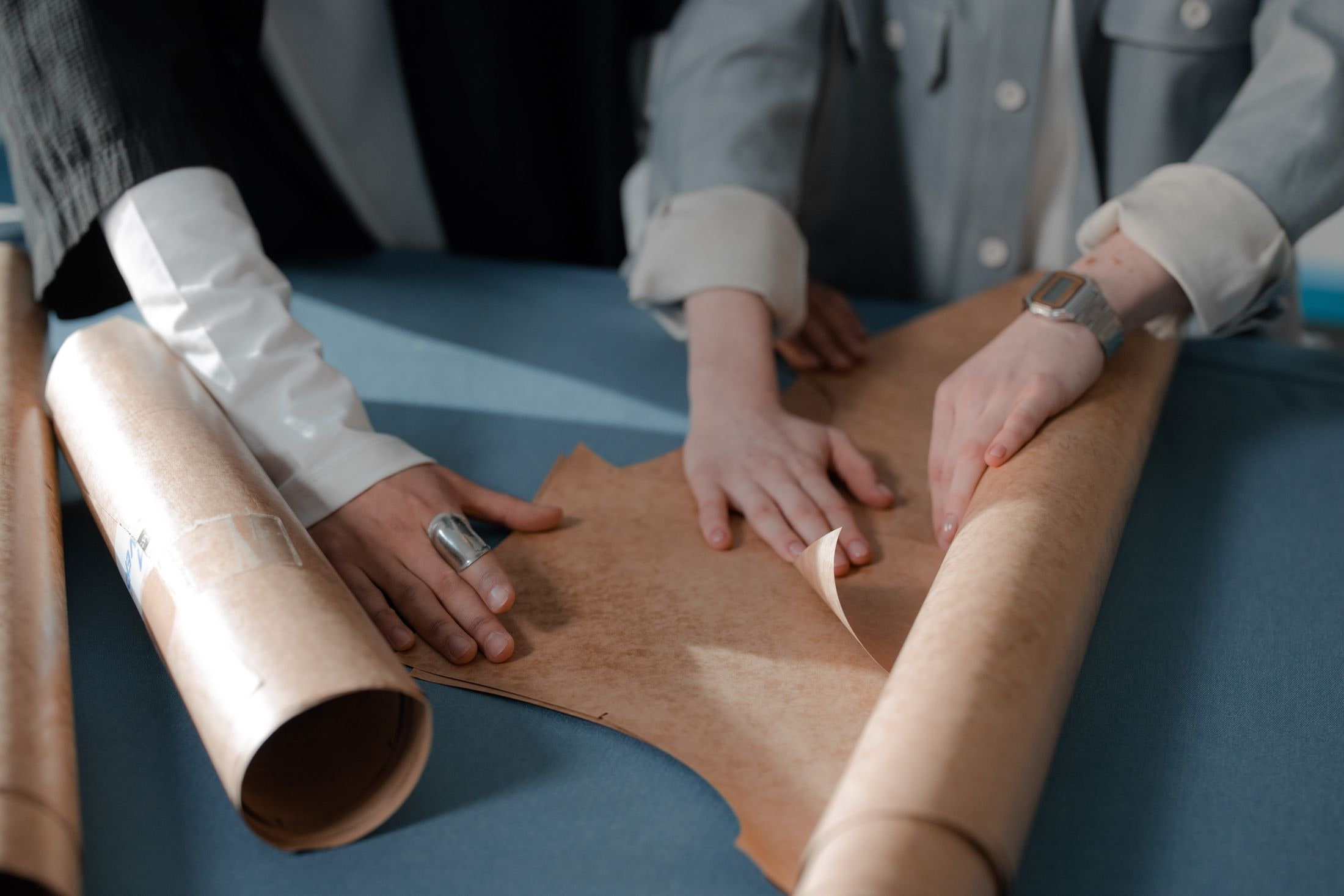
Keep changes and approvals traceable
Combine comments into one current document. For each adjustment, identify the garment area, describe the change and add a marked photograph or measurement where useful. Separate pattern changes from fabric, trim and sewing changes so their relationship is clear.
Label approved details and open decisions separately. Keep the current sample version visible in the file name and review notes. When several people contribute feedback, resolve conflicting instructions before sending the next revision. This gives the development team one consistent set of instructions.
Confirm the production record
Before agreeing the production order, bring together the approved sample, material details, measurement information and construction requirements. Confirm the size range, colours, order quantities, labels and packing instructions. Record any requirement that still needs approval and who will provide that decision.
Review the quotation and schedule against this final scope. Changes to fabric, finishing, quantities or branding can affect sourcing and production planning, so they should be assessed before the order proceeds. Keep the approved documents together so the commercial and technical details describe the same garment.
Send YA QIAN your design brief and the decisions you need to resolve to discuss pattern making, sampling and production requirements.