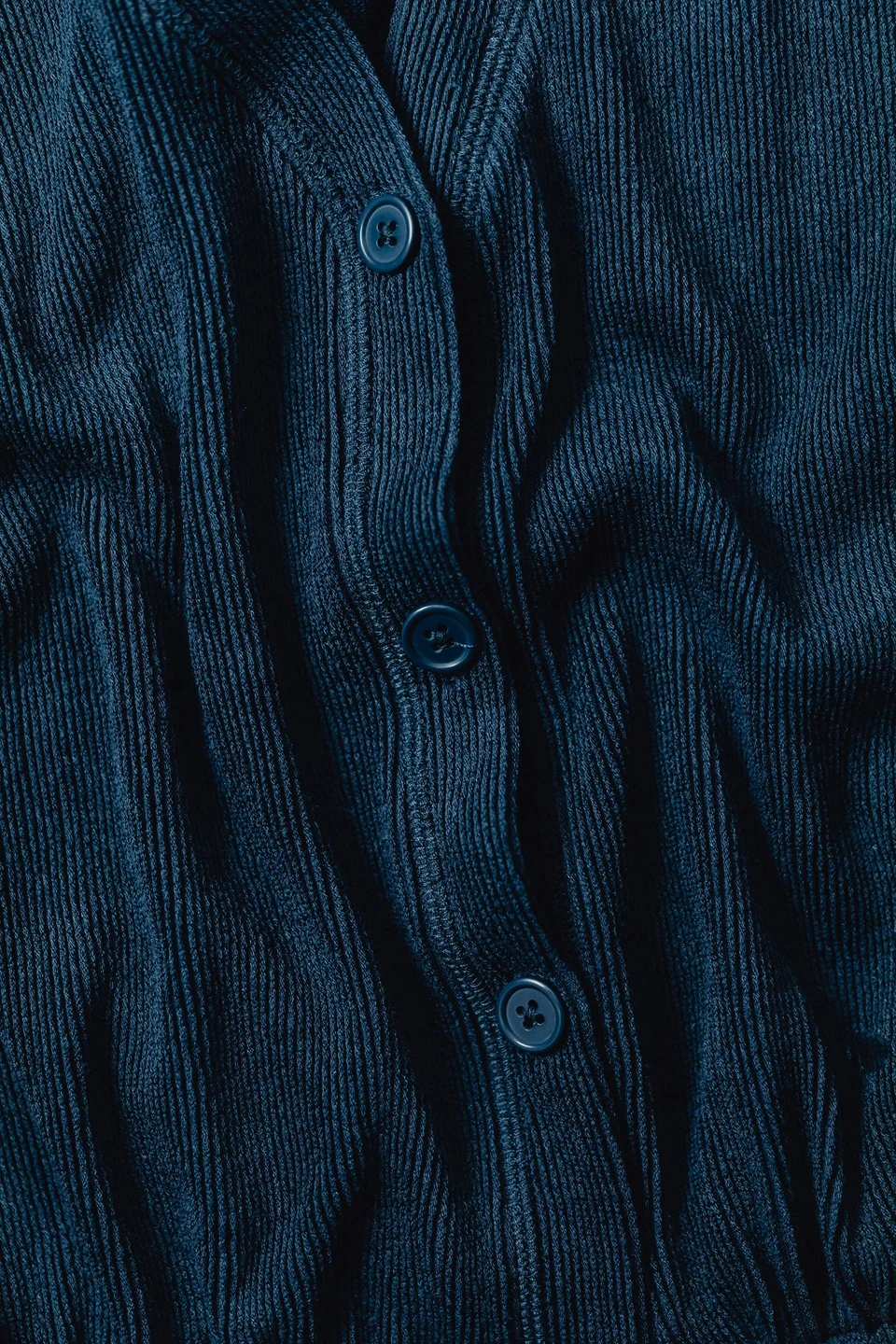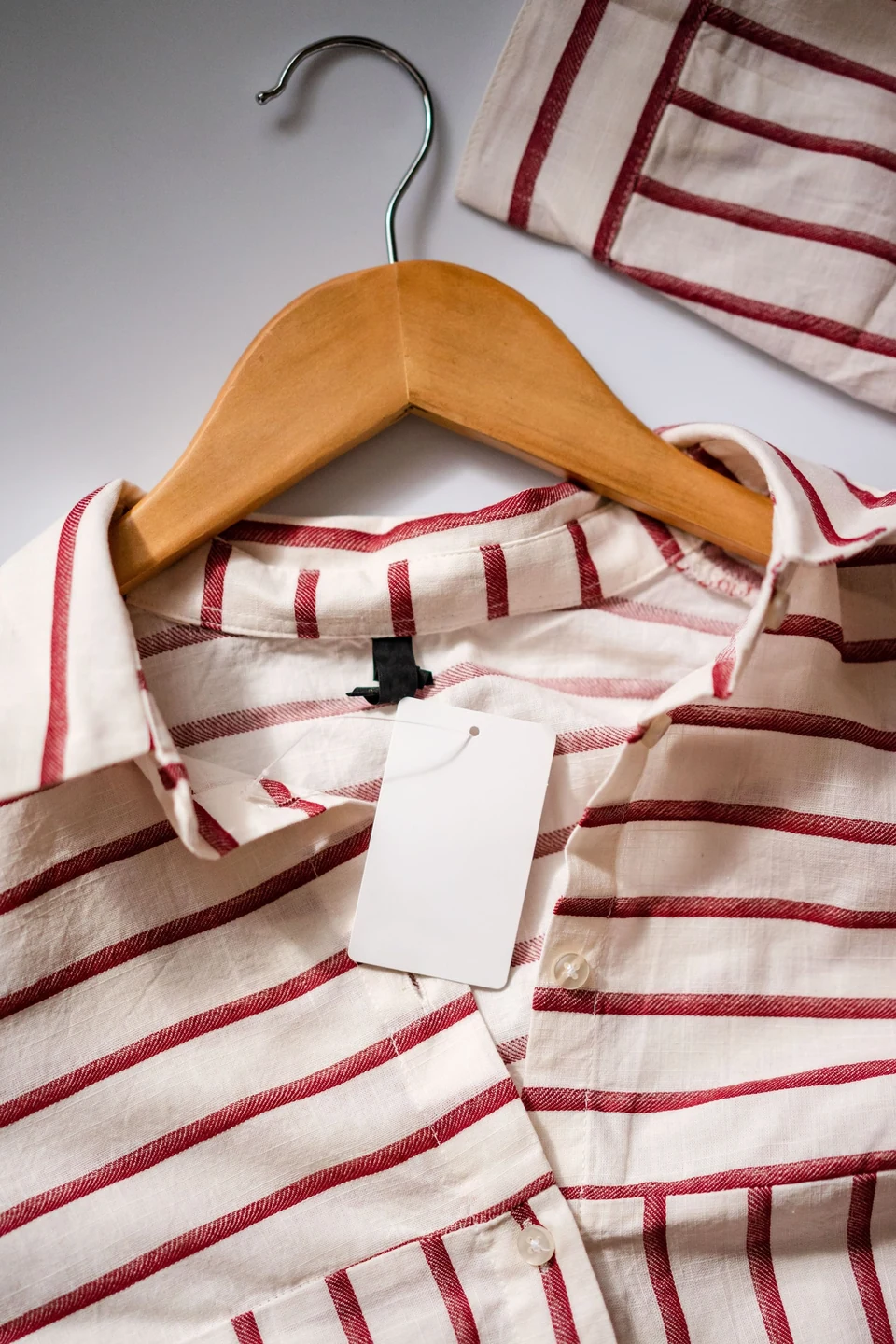
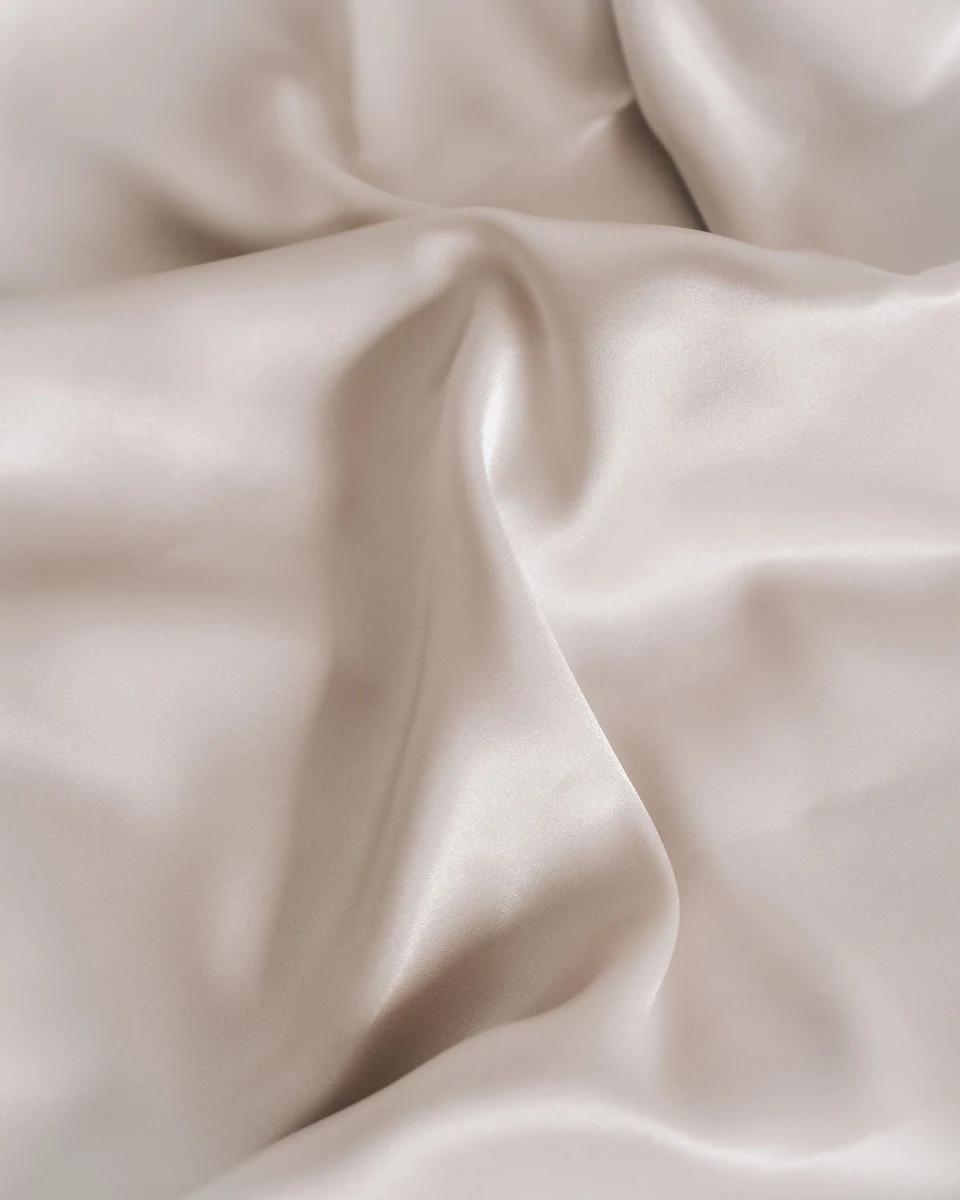
Describe the intended garment
Identify where the garment should hold its shape and where it should move freely. A dress skirt, shirt collar and trouser leg can place different demands on the material. Explain the intended fit, layering and coverage, including any requirements for opacity, stretch or surface appearance.
Bring those requirements into the design brief before selecting the final fabric. Lining, interlining, closures and seam construction can influence the result, so the material should be assessed as part of the complete garment. Record the details that are essential to the style and those that remain open.
Record the material specification
Keep the proposed composition, weight, usable width and colour information with the fabric identifier. Where a swatch is available, label it so the physical material can be connected to the supplier information and the correct style. Include any required finish or treatment in the same record.
Ask how availability, minimum quantities and colour requirements will be confirmed for the order. A proposed material may need further review before it is approved for production. Keep any substitution as a separate decision, with the new fabric information and its effect on the garment assessed together.

Assess fabric and construction together
Use the sample to examine drape, garment balance, seam appearance and the effect of lining or closures. Review whether the material supports the intended volume and how it behaves at areas that are shaped, gathered or folded. Note changes that affect the pattern as well as the sewing method.
State the required care or testing conditions for the product and intended market. Confirm what needs checking and how the findings will be used before approving the material. Avoid carrying measurements or construction decisions from one material into another without reviewing the finished garment.
Approve one current material record
Connect the approved fabric details with the sample version, colour decisions and garment specification. Keep the material identifier and physical approval record available when production requirements are agreed. If several styles share a fabric, identify the affected styles when a material decision changes.
Confirm any remaining sourcing questions before the production order is finalised. Changes to width, finish, colour or availability may require another review of the cutting and construction requirements. Recording the decision at the time it is made helps the order follow the approved material rather than an earlier option.
Share your material requirements and garment design with YA QIAN to discuss fabric selection and sample development.